
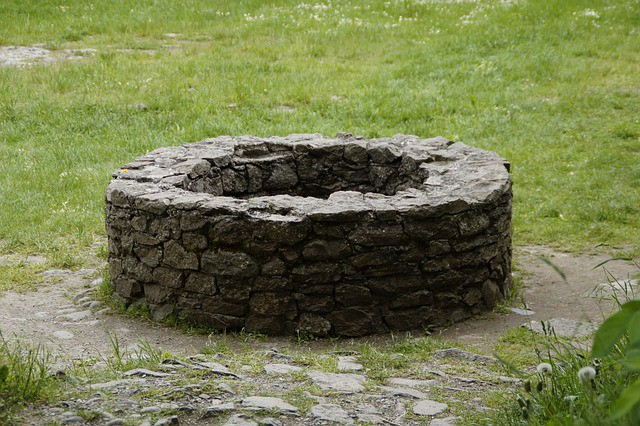
Have you inherited an old well when you purchased your house? It probably passed the inspection and was declared as a reliable source of drinking water for the mean time, but it doesn’t mean it’s free of problems. Take a look at these 4 common issues that many homeowners with old wells often end up facing. And feel free to give us a call for Maryland in-home water testing if you are concerned about the quality of your drinking water.
Imperfect Well Cap
A well cap is installed on the part of the well casing that extends above the ground. Building codes in most areas require a well to be covered with an appropriate cap to help reduce the risk of contamination. If a cap is loose, broken, or otherwise damaged, it can allow insects, rodents, and surface water to enter the well, introducing bacteria and other contaminants into your drinking water.
Although a well cap should allow proper ventilation, modern well caps are designed so these openings remain inaccessible to insects and wildlife. A quality well cap also provides easy access for maintenance and clearly marks the location of your well.
Well Casing Buried Too Deep
Your well casing should extend at least 8 inches above the ground surface, with the surrounding ground sloped away from the well to prevent standing water. Many older wells were installed in underground well pits, which are much more susceptible to contamination from surface water.
Unless the well casing is completely watertight, groundwater, dirt, and debris can enter the well. Even if the well cap is in good condition, an aging or rusted casing can develop small holes that compromise your water supply. In these cases, rebuilding the well to meet current code requirements may be the safest solution.
Well Isn’t Deep Enough
Your well draws water from an underground aquifer, where water has been naturally filtered as it passes through layers of soil and rock. If a well is too shallow, however, it may collect water that hasn’t been adequately filtered.
Shallow wells are more vulnerable to contamination from nearby sources such as agricultural runoff, fertilizers, pesticides, or failing septic systems. Ensuring your well is drilled to the proper depth is essential for protecting your family’s drinking water.
Contamination From an Abandoned Well
If you’re experiencing ongoing water quality issues, an abandoned well on your property could be part of the problem. Previous property owners sometimes drilled a new well rather than repairing an older one. If that abandoned well wasn’t properly sealed, it can allow contaminants to enter the same aquifer that supplies your current well.
Even if you carefully maintain your active well, a neglected well nearby can still impact the quality of your groundwater.
Protect Your Water with a Professional Well Inspection
Not every water quality issue is caused by a damaged or outdated well. Natural minerals, surrounding geology, and local groundwater conditions can all affect your water’s taste, odor, appearance, and safety.
If you’re concerned about the condition of your well or the quality of your water, R&G Water Systems can help. Our experienced team provides professional well inspections, water testing, and expert recommendations to help ensure your family has clean, safe, and reliable water. Contact us today to schedule an inspection or learn more about your well system.